
Your Garage Door Is Trying to Tell You Something
You hit the button on your remote, and instead of the smooth hum you're used to, your garage door greets you with a symphony of grinding, popping, or squealing. If this sounds familiar, you're not alone. Noisy garage doors are one of the most common complaints we hear from homeowners in Spanish Fork and the surrounding Utah County area.
The good news? Most garage door noises point to specific, fixable problems. The bad news? Ignoring them usually makes things worse — and more expensive. Let's walk through the most common sounds your garage door might be making, what they mean, and what you should do about each one.
Squealing or Screeching Sounds
A high-pitched squeal when your garage door opens or closes is one of the most cringe-worthy noises a homeowner can hear. It usually means one of two things:
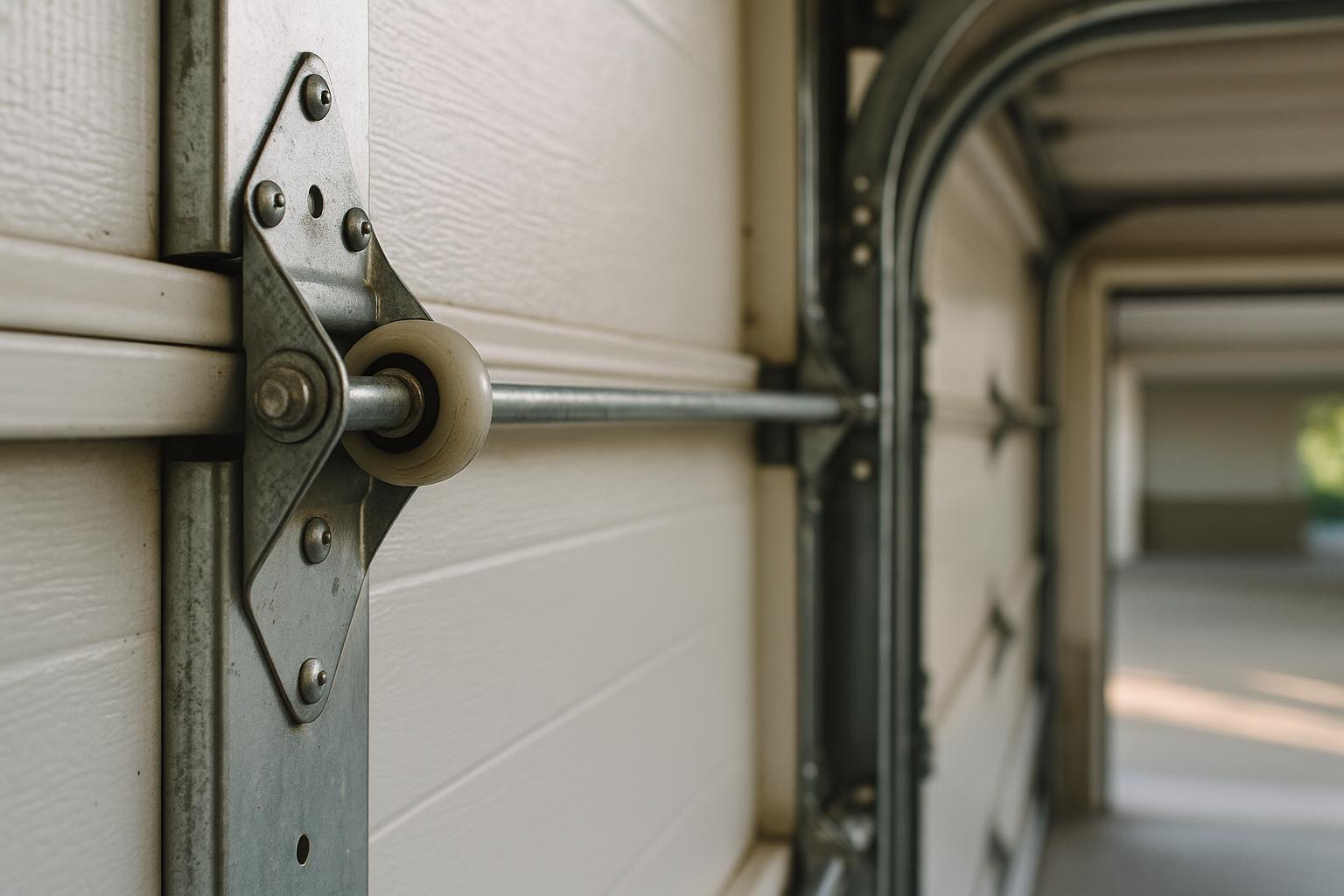
- Dry or worn rollers: Metal rollers running along metal tracks without proper lubrication will screech like nails on a chalkboard. Over time, the rollers can also wear down and develop flat spots, which makes the noise even worse.
- Lack of lubrication on hinges and bearings: Every moving part on your garage door needs periodic lubrication. When hinges, bearing plates, or the torsion spring system dry out, friction increases and the squealing begins.
What to do: Start by applying a silicone-based garage door lubricant to the rollers, hinges, bearing plates, and springs. Avoid using WD-40 as a long-term solution — it's a solvent, not a true lubricant, and it dries out quickly. If the noise persists after lubrication, your rollers may need to be replaced. Upgrading to nylon rollers is a popular choice among Spanish Fork homeowners because they run significantly quieter than standard steel rollers.
Grinding or Scraping Noises
A grinding sound typically indicates something is rubbing where it shouldn't be. Common causes include:
- Misaligned tracks: If the vertical or horizontal tracks have shifted even slightly, the door panels or rollers can scrape against the track edges as the door moves.
- Worn-out rollers: When rollers deteriorate, they can wobble inside the track and create a grinding noise.
- Debris in the tracks: Here in Utah, dust, dirt, and small rocks can accumulate in your garage door tracks, especially during dry summer months or after winter storms.
What to do: Visually inspect the tracks for any obvious obstructions or bends. You can wipe the tracks clean with a damp cloth. However, if the tracks appear bent or misaligned, don't try to force them back into position yourself. Improperly adjusted tracks can cause the door to come off the rails entirely, which is both dangerous and costly. Call a professional to realign them safely.
Loud Banging or Popping
A sudden bang or pop when the door starts moving — or when it reaches the fully open or closed position — can be startling. This noise is often related to:
- Torsion spring issues: As torsion springs age, they can develop irregularities that cause them to pop or bang during operation. A loud single bang could also mean a spring has broken, which requires immediate professional attention.
- Panel or hinge problems: Loose or damaged hinges can cause panels to shift and slam during movement.
- Opener issues: Some banging noises come from the garage door opener itself, particularly if the chain or belt has too much slack or if internal gears are wearing out.
What to do: If you hear a single loud bang and the door won't move, a spring has likely broken. Do not attempt to operate the door or repair the spring yourself — torsion springs are under extreme tension and can cause serious injury. This is one of those situations where calling a garage door technician in Spanish Fork is the safest and smartest move.
Rattling or Vibrating Sounds
A rattling garage door often sounds worse than the actual problem. Common culprits include:
- Loose hardware: Nuts, bolts, and screws naturally loosen over time due to the constant vibration of daily use. A loose bracket, hinge, or track bolt can create a noticeable rattle.
- Chain-drive opener: Chain-drive garage door openers are inherently louder than belt-drive models. If the chain has loosened, the rattling gets even more pronounced.
- Loose garage door panels: On older doors, the panels themselves can loosen at the joints and vibrate against each other.
What to do: Grab a socket wrench and tighten all visible nuts and bolts on the door's hinges, brackets, and track mounts. Be careful not to overtighten — snug is sufficient. If you have a chain-drive opener and the noise is driving you crazy, consider upgrading to a belt-drive model. They operate much more quietly and are a worthwhile investment, especially if your garage is attached to your home and the noise carries into living spaces.
Rhythmic Clicking or Ticking
A repetitive clicking sound during operation is usually related to:
- A damaged or worn gear in the opener: Over time, the nylon gears inside many garage door openers strip or crack, producing a ticking noise.
- A misaligned chain or belt: If the drive mechanism isn't tracking smoothly, it can click as it moves along the rail.
What to do: Open the opener housing and inspect the drive gear if you're comfortable doing so. Stripped gears are a common repair and are relatively affordable to fix. If you're not sure what you're looking at, a quick service call can diagnose the issue and get your opener running smoothly again.
When to Call a Professional
Some garage door noises are simple fixes you can handle on a Saturday afternoon with a can of lubricant and a wrench. Others point to problems that require professional tools, parts, and expertise. Here's a general rule of thumb:
- DIY-friendly: Lubrication, tightening loose hardware, cleaning tracks
- Call a pro: Broken springs, misaligned tracks, opener gear replacement, any issue where the door won't move or feels unusually heavy
At Spanish Fork Garage Door, we help homeowners across Spanish Fork, Springville, Payson, Salem, Mapleton, and Provo diagnose and fix noisy garage doors every week. Whether it's a simple tune-up or a more involved repair, we show up on time, explain what's going on in plain English, and charge a fair price for honest work.
Don't Wait Until a Noise Becomes a Breakdown
A noisy garage door is more than just an annoyance — it's an early warning sign. Addressing strange sounds early can prevent more serious (and expensive) problems down the road. If your garage door has been making sounds that don't seem right, give us a call or schedule a service appointment. We'll figure out what's going on and get your door running quietly again.